

Key Differences in Voice Search vs Traditional Search: Why Voice SEO Is Reshaping Digital Visibility
Search behavior is evolving faster than most businesses realize. Consumers are no longer typing fragmented keywords into Google alone. They're asking complete questions to smart speakers, smartphones, AI assistants, and voice-enabled devices.
This shift has created a major transformation in how search engines interpret intent, deliver answers, and rank content. Businesses that fail to adapt risk losing visibility in the next generation of search.
That’s where Voice SEO becomes critical.
Understanding the differences between voice search and traditional search is no longer optional for brands, marketers, bloggers, ecommerce businesses, or content creators aiming to dominate modern search ecosystems.
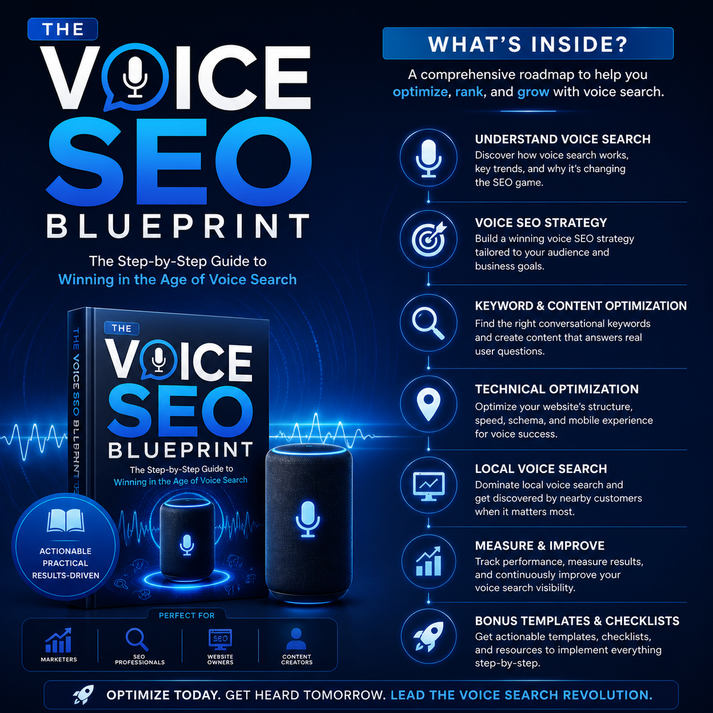
What Is Voice SEO?
Voice SEO refers to optimizing content specifically for voice-based search queries made through devices like Google Assistant, Siri, Alexa, ChatGPT-powered interfaces, and other conversational AI systems.
Unlike traditional SEO, Voice SEO focuses heavily on:
- Natural language queries
- Conversational phrasing
- Question-based searches
- Contextual relevance
- Search intent accuracy
- Featured snippets and direct answers
As AI search becomes more conversational, Voice SEO is rapidly becoming one of the strongest competitive advantages in digital marketing.
The Biggest Shift in Search
Traditional search was built around keywords. Voice search is built around conversations and intent.
Voice Search vs Traditional Search: The Core Differences
1. Search Query Structure
Traditional searches are usually short and fragmented.
Example:
- Traditional Search: “best SEO tools 2026”
- Voice Search: “What are the best SEO tools for small businesses in 2026?”
Voice searches are significantly longer, more conversational, and naturally phrased. This means modern SEO strategies must prioritize semantic relevance instead of isolated keywords.
2. Search Intent Is More Specific
Voice users often want immediate, precise answers. Their intent tends to be clearer and more action-driven.
- “Where can I buy running shoes near me?”
- “How do I improve website speed?”
- “What’s the fastest way to rank on Google?”
This creates enormous opportunities for businesses that structure content around real user questions and intent clusters.
3. Voice Search Prioritizes Featured Snippets
Voice assistants typically read a single answer aloud instead of displaying multiple blue links.
That means winning Position Zero — featured snippets — becomes dramatically more valuable.
Content optimized for Voice SEO often includes:
- Direct answers
- FAQ sections
- Structured formatting
- Schema markup
- Concise explanations
4. Mobile and Local Search Dominate Voice Queries
Most voice searches happen on mobile devices and are heavily tied to local intent.
Examples include:
- “Best coffee shop near me”
- “Closest digital marketing agency”
- “Restaurants open now”
Businesses that optimize local SEO alongside Voice SEO gain a major visibility advantage in mobile-first ecosystems.
Want to Master Modern Search Optimization?
Discover advanced frameworks, Voice SEO systems, conversational search strategies, and AI search optimization methods inside The Voice SEO Blueprint.
Why Traditional SEO Alone Is No Longer Enough
Traditional SEO still matters — but relying only on old-school keyword optimization is becoming increasingly risky.
Search engines now prioritize:
- User intent understanding
- Natural language processing
- Entity recognition
- Conversational relevance
- AI-generated answer systems
- Voice-enabled discovery experiences
Google’s algorithms are evolving toward human-like interpretation rather than keyword matching alone.
Brands that fail to optimize for conversational search behavior may gradually lose organic visibility over time.
Common Voice SEO Mistakes Businesses Make
Ignoring Conversational Keywords
Many websites still optimize only for short-tail keywords while ignoring question-based phrases and long-tail conversational queries.
Not Using Structured Data
Schema markup helps search engines understand content context more effectively, increasing the chances of appearing in voice search results.
Poor Mobile Experience
Voice search is deeply tied to mobile usage. Slow-loading pages, poor UX, and weak mobile optimization damage rankings significantly.
Creating Content for Algorithms Instead of Humans
Voice SEO rewards naturally written, helpful, conversational content — not robotic keyword stuffing.
How to Optimize for Voice Search in 2026
- Create FAQ-driven content
- Use natural conversational language
- Target long-tail question keywords
- Optimize for featured snippets
- Improve website loading speed
- Strengthen local SEO signals
- Implement schema markup
- Focus on semantic topical authority
- Structure content clearly with headings
- Build entity-based content ecosystems
The brands dominating future search visibility will be those that adapt early to AI-driven conversational search behavior.
What You’ll Learn Inside The Full Product
- Advanced Voice SEO frameworks
- Conversational keyword research systems
- AI search optimization strategies
- Featured snippet domination methods
- Voice-first content architecture
- Entity-based SEO systems
- Modern semantic SEO implementation
- Future-proof ranking strategies for AI search engines
The Future of Search Is Conversational
Voice search is not just another SEO trend. It represents a complete behavioral shift in how users interact with information online.
As AI assistants, voice-enabled devices, and conversational interfaces continue to expand, businesses that optimize for Voice SEO today will gain a massive long-term advantage.
The next era of search belongs to brands that understand intent, context, natural language, and conversational discovery.
Ready to Future-Proof Your SEO Strategy?
Want to master the complete system behind modern Voice SEO, conversational search optimization, and AI-driven visibility?
Frequently Asked Questions
What is the biggest difference between voice search and traditional search?
Voice search uses conversational, question-based queries while traditional search often relies on shorter typed keywords. Voice searches are usually more intent-focused and natural in language.
Why is Voice SEO important in 2026?
Voice SEO is becoming essential because more users are searching through AI assistants, smart devices, and conversational interfaces instead of traditional typing methods.
Does Voice SEO help improve Google rankings?
Yes. Optimizing for conversational search, featured snippets, semantic relevance, and user intent can improve overall search visibility and ranking performance.
How do I optimize content for voice search?
Use conversational language, answer user questions directly, improve mobile performance, add schema markup, and target long-tail search intent queries.
Can ecommerce businesses benefit from Voice SEO?
Absolutely. Voice SEO helps ecommerce brands capture mobile buyers, local shoppers, and conversational purchase intent queries more effectively.
Will traditional SEO disappear completely?
No. Traditional SEO still matters, but Voice SEO and conversational optimization are becoming essential additions to modern search strategies.